


The Psychology of Wallpaper: How Colors, Patterns & Textures Affect Your Mood
Have you ever walked into a room and instantly felt uplifted, calm, or energized? More often than you think, your walls are doing the emotional work. Wallpaper isn’t just decoration — it’s a powerful psychological design tool that shapes how we feel in a space.
At The Wallpaper Company, we don’t just sell wallcoverings — we help you choose designs that create emotional resonance, support your lifestyle, and elevate daily living.
Why Wallpaper Matters (Beyond Aesthetics)
Every element of your wallpaper — color, pattern, scale, texture — interacts with the way your brain interprets space and emotion. These effects are similar to principles studied in color psychology and environmental design.
🎨 Colors: Emotion in Hue
Different hues evoke different emotional responses:
Warm Colors (Reds, Oranges, Yellows):Stimulate energy and conversation — ideal for kitchens, dining areas, or social spaces.
Cool Colors (Blues, Greens, Purples):Encourage calmness and relaxation, perfect for bedrooms and bathrooms.
Neutrals (Greys, Whites, Beiges):Promote calm and balance, and act as a versatile backdrop for décor.
Color psychology research shows that hues can influence emotional states — for example, cool tones often lower stress and improve relaxation.
📐 Patterns: Rhythm & Psychology of Wallpaper
Patterns convey mood through form and structure:
Geometric Patterns:Clean lines and symmetry encourage focus and visual order — great for offices or creative spaces.
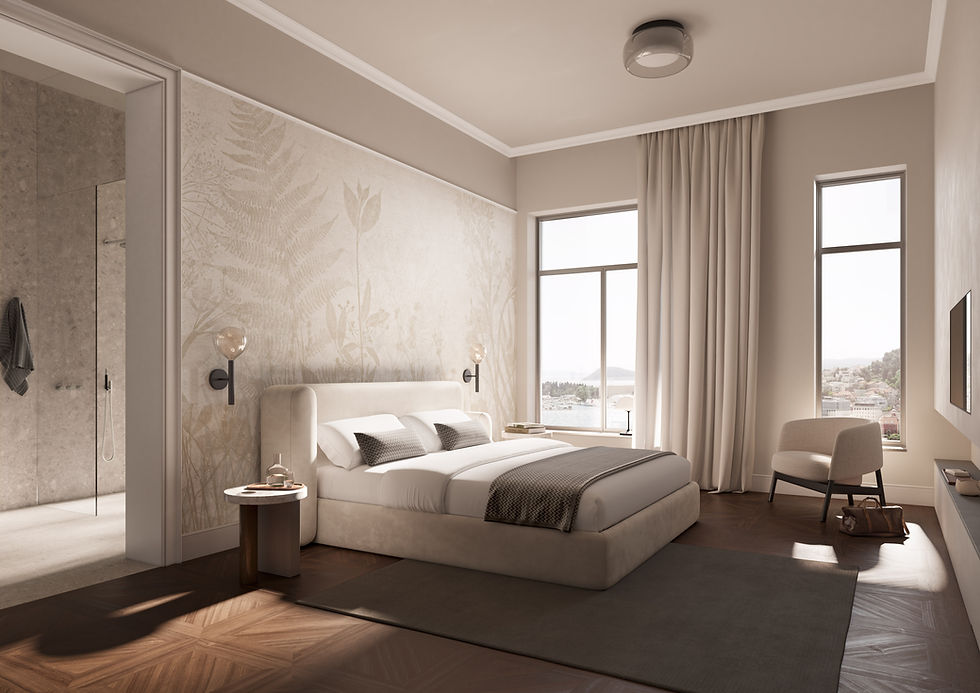
Floral & Organic Prints:Echo nature’s calming qualities, foster relaxation and rejuvenation.
Damask & Classic Motifs:Convey sophistication and tradition, elevating formal areas.
Stripes:Vertical stripes can make ceilings feel higher; horizontal stripes widen a room visually.
Design research also indicates that pattern repetition and rhythm can create psychological effects — repeated motifs signal order and stability, while irregular designs may spark imagination and creativity.
📏 Scale Matters: Size & Space Perception
The size of a pattern relative to a room changes how it feels:
Large-scale motifs can be dramatic and enveloping but may overwhelm small rooms.
Small-scale designs are subtle and soothing, better suited to larger expanses or minimalist spaces.
When pattern and space are balanced, the room can feel harmonious and intentional.
🤲 Texture: Depth You Can Feel
Wallpaper isn’t just visual — it can be tactile. Texture adds psychological nuance:
Textured Wallpaper (e.g., grasscloth):Invites touch and warmth, often making spaces feel cozier and more inviting.
Smooth Finishes (e.g., vinyl):Create a sleek, modern look that can make a room feel more open and minimal.
Textural differences can influence our emotional response almost as much as color and pattern.
How to Choose Wallpaper for Your Mood
Here are practical design strategies to align wallpaper with the feeling you want to create:
✔ Define the Room’s Purpose
Energizing dining rooms benefit from warmer hues and bold patterns
Bedrooms deserve cool tones and subtle textures
✔ Balance Pattern & Furniture
Use busy patterns with neutral furnishings to prevent visual overload.
✔ Accent Walls Work Wonders
If you’re drawn to bold design but fear overwhelming a space, try wallpapering one wall to create a controlled focal point.
✔ Consider Light & Reflectivity
Natural light affects how wallpaper colors and textures appear — always view samples in the space before committing.
✔ Personal Expression Is Key
At the end of the day, the best wallpaper is one that reflects who you are and how you want to feel in your home.
Bring Emotional Design Into Your Space
Understanding the psychology behind wallpaper empowers you to design intentionally. Whether you want calm and relaxation or vibrant energy and creativity, the right wallcovering sets the tone.
👉 Explore our curated collections and find wallpaper that complements your mood, your space, and your lifestyle.
Contact us or schedule a design consultation today to get started.


Comments